

How Do I Get My Non-Verbal Autistic Child to Speak?
Discover practical ways to support a non-speaking autistic child’s communication through speech therapy, play, visual aids, and AAC tools. Learn how parents in Kenya can encourage communication and find individualized autism support at Bright Path Autism Academy.
Every parent wants to communicate with their child and understand their needs. If your child has autism and is not yet speaking, you may wonder whether they will ever talk and what you can do to help.
The good news is that there are practical ways to support communication in non-speaking autistic children. While every child develops differently, the right strategies, individualized support, and early intervention can help children communicate more effectively.
At Bright Path Autism Academy, we believe every child deserves to be understood, supported, and given the opportunity to reach their full potential.
Why Is My Autistic Child Not Speaking?
Autism can affect how children develop language, understand communication, and interact with others. Some autistic children begin speaking later, while others communicate using gestures, pictures, signs, communication devices, or a combination of methods.
Being non-speaking does not mean a child cannot understand you or has nothing to communicate. It is important to identify your child's individual strengths, needs, and preferred ways of expressing themselves.
7 Ways to Help Your Non-Verbal Autistic Child Communicate
1. Seek a Speech and Language Assessment
A speech and language therapist can assess your child's communication abilities and recommend appropriate strategies. They can also help determine whether your child would benefit from alternative communication methods.
2. Use Simple, Clear Words
Use short phrases such as “come here,” “drink water,” or “your turn.” Pair words with gestures, objects, or pictures to help your child connect words with their meanings.
3. Follow Your Child's Interests
If your child enjoys cars, bubbles, music, or toys, use these interests to encourage interaction. For example, pause during a favourite game to give your child an opportunity to request “more” using a gesture, picture, sound, or word.
4. Encourage Communication Without Pressure
Give your child time to respond. Celebrate attempts to communicate instead of insisting that they repeat words. Avoid forcing eye contact or making spoken words a condition for receiving something they need.
5. Introduce Picture-Based Communication
Picture cards, visual schedules, and communication boards can help children express choices and needs. Augmentative and alternative communication (AAC), including communication apps and devices, can also be useful.
AAC does not prevent speech from developing. It can provide children with a reliable way to communicate while supporting their overall language development.
6. Make Everyday Activities Learning Opportunities
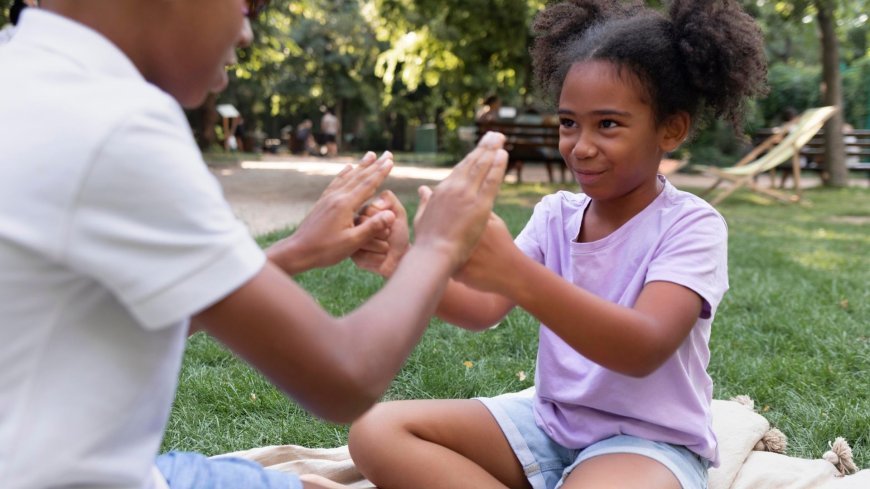
Mealtimes, dressing, bathing, and play provide natural opportunities to practise communication. Name familiar objects, offer choices, sing repetitive songs, and respond to your child's gestures and sounds.
7. Work With a Consistent Support Team
Parents, teachers, speech therapists, and other relevant professionals should work together towards shared communication goals. Occupational therapy may also help when sensory or participation difficulties affect a child's engagement in everyday activities.
When Should I Seek Professional Help?
If your child is not developing communication as expected, consult a qualified professional rather than waiting for them to outgrow the difficulty. A hearing assessment may also be recommended. If your child loses words or communication skills they previously had, seek prompt medical advice.
Remember, the goal is not only to help your child speak, but to help them communicate their needs, feelings, choices, and ideas. Spoken language may develop for some children, while others may continue using alternative communication methods. Both deserve recognition and support.
How Bright Path Autism Academy Supports Communication Development
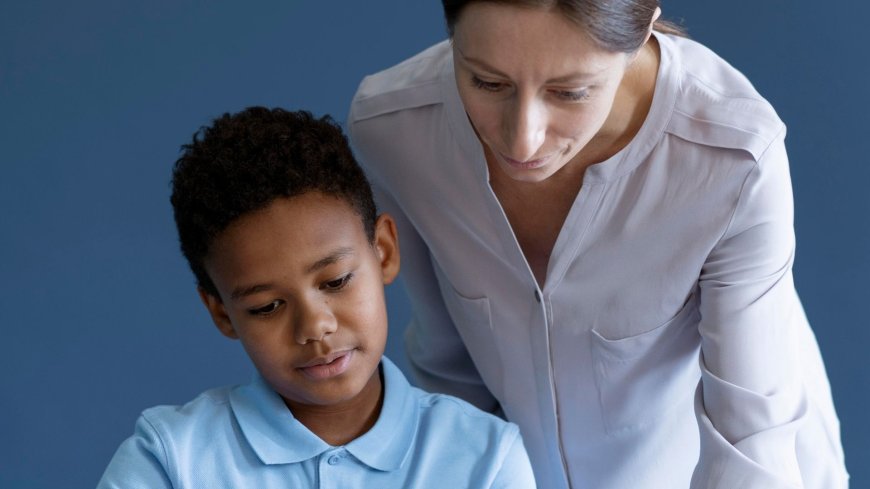
Bright Path Autism Academy focuses on individualized autism education, supportive learning environments, and the development of communication, independence, and everyday life skills.
Every learner has different strengths and needs. A structured, child-centred approach can help identify suitable learning strategies and create opportunities for meaningful interaction.
Parents seeking autism education and developmental support in Kenya can explore how an individualized learning programme may benefit their child.
Final Thoughts
Helping a non-speaking autistic child communicate takes patience, understanding, and the right support. Start with small steps, respond to every attempt to communicate, and seek professional guidance suited to your child's needs.
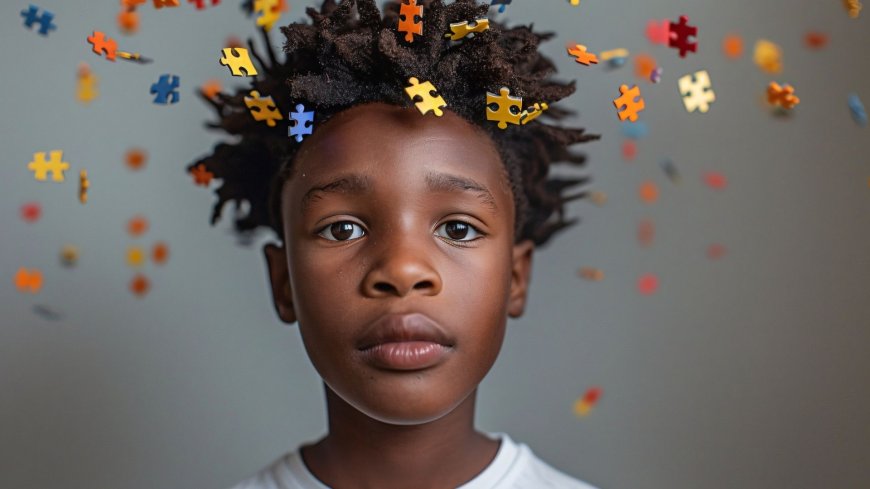
Your child does not need to speak to have a voice. Every gesture, picture, sound, sign, or word can be a meaningful step towards connection.
At Bright Path Autism Academy, we believe every child deserves the opportunity to learn, communicate, and thrive.
Frequently Asked Questions
Can a non-verbal autistic child learn to speak?
Some non-speaking autistic children develop spoken language over time, while others communicate primarily through AAC, gestures, signs, or pictures. Every child's development is different.
Does speech therapy help non-speaking autistic children?
Speech and language therapy can support communication development and help identify appropriate communication strategies for each child.
Will using picture cards stop my child from speaking?
No. AAC methods such as picture cards and communication devices can support communication and may complement spoken-language development.
Where can I find autism support in Kenya?
Parents can seek guidance from qualified speech and language therapists, developmental professionals, and specialized autism education centres such as Bright Path Autism Academy.
Contact Bright Path Autism Academy to learn more about our autism education and developmental support programmes.
📍 Kugeria Road, Kiambu Road, Kenya
What's Your Reaction?
 Like
1
 Dislike
0
 Love
1
 Funny
0
 Angry
0
 Sad
0
 Wow
0