


At What Age Do Autistic Children Speak Fluently?
Discover the age at which autistic children typically begin to speak fluently, the factors that influence speech development, and how early intervention and therapy can support effective communication.
One of the most common questions parents ask after an autism diagnosis is: “At what age will my child speak fluently?”
The honest answer is that there is no single age when an autistic child is expected to become fluent. Autism affects communication differently in every child. Some children begin using words early and develop fluent speech during the preschool years, while others may speak later or continue to need support with communication.
What matters most is not only when a child starts talking, but also how they are progressing in their ability to communicate, understand language, express their needs, and interact with others.

When Do Autistic Children Start Talking?
Children with autism can reach speech milestones at very different times.
Some may say their first words around the toddler years, while others may have delayed speech or use very few spoken words. Some children may also develop speech and then experience a reduction in their language use.
It is important to remember that speech development is not the same for every autistic child. A child who is not speaking at the same age as their peers is not necessarily unable to develop meaningful communication.
Early assessment and individualized support can help identify a child's strengths and communication needs.
At What Age Can an Autistic Child Speak Fluently?
There is no specific age that applies to all autistic children.
Some children may develop fluent conversational speech by preschool or early school age. Others may develop fluent speech later in childhood. At the same time, some may communicate more effectively through a combination of speech, gestures, pictures, communication devices, or other forms of Augmentative and Alternative Communication (AAC).
Fluency should therefore be viewed as one part of communication development, not the only measure of progress.
A child may be able to speak in full sentences but still have difficulty with conversation, understanding social cues, taking turns, or explaining their feelings. Another child may use fewer spoken words but communicate their needs very effectively.
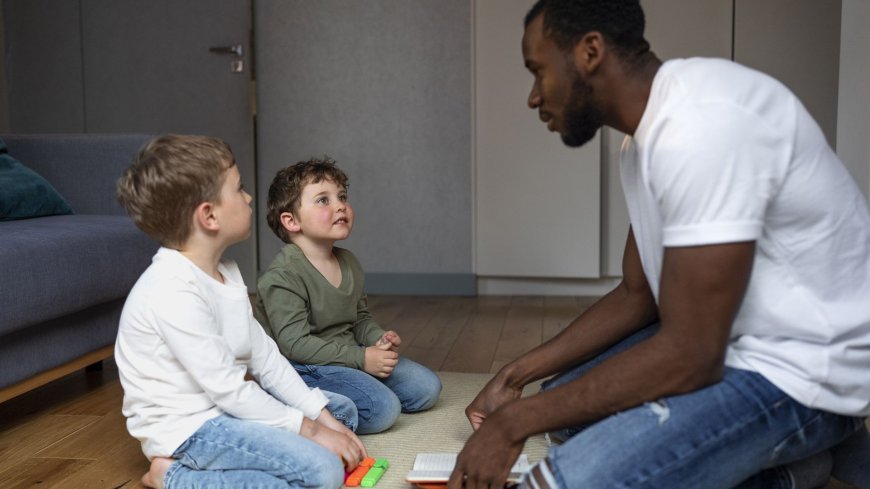
Signs Your Child Is Developing Communication Skills
Parents can look beyond spoken words for signs of progress. These may include:
- Responding to their name or familiar voices
- Making sounds or attempting to imitate sounds
- Using gestures, pointing, or facial expressions
- Following simple instructions
- Understanding familiar words
- Using words or phrases to request something
- Combining words into short sentences
- Taking turns during interaction
- Showing interest in communicating with others
Every new communication skill is meaningful progress.
What Can Help an Autistic Child Develop Speech?
Early and individualized support can make a significant difference. Depending on the child's needs, support may include:
Speech and Language Therapy
A speech therapist can assess communication abilities and create goals that support understanding, expressive language, pronunciation, social communication, and functional communication.
Structured Learning
Predictable routines and structured learning environments can help children understand expectations and create opportunities to practice communication throughout the day.
Play-Based Activities
Songs, games, storytelling, pretend play, and everyday activities can create natural opportunities for children to learn new words and practice interaction.
Occupational Therapy
For some children, occupational therapy can support sensory processing, attention, self-regulation, and daily living skills that may affect participation in communication and learning.
Family Involvement
Parents and caregivers play an important role. Simple activities such as talking during meals, naming objects, reading together, offering choices, and responding to a child's attempts to communicate can provide valuable practice.
What If My Child Is Not Speaking Yet?
If your child is not speaking or has significantly delayed speech, don't wait for a particular age before seeking professional guidance.
A developmental assessment can help identify your child's communication profile and determine which forms of support may be appropriate. Importantly, communication support does not have to wait until spoken language develops.
Some children benefit from AAC, visual supports, gestures, or other communication methods while their spoken language continues to develop.
The goal is to help the child communicate effectively and confidently, whether through speech, AAC, gestures, or a combination of approaches.
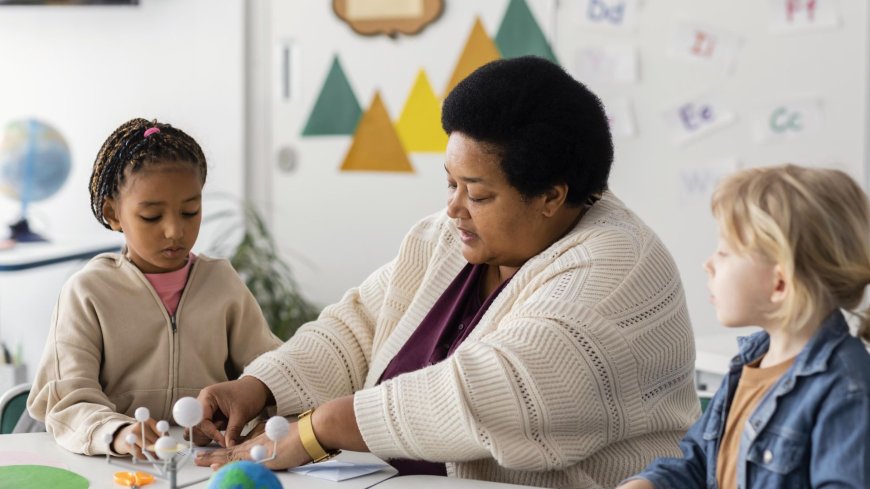
Every Child Has Their Own Communication Journey
There is no deadline for an autistic child to become fluent. Development can happen at different rates, and progress may come in small but important steps.
Instead of asking only, “When will my child speak fluently?”, consider asking:
“How can we help my child communicate more effectively today?”
With the right support, patience, and individualized strategies, children can continue developing communication, social, learning, and independence skills.
At Bright Path Autism Academy, we provide individualized education and integrated therapeutic support designed around each child's unique developmental needs. Our programs include speech therapy, ABA therapy, occupational therapy, early intervention, and structured learning, helping children build communication, confidence, and independence.
If you have concerns about your child's speech or communication development, our team is here to help.
📍 Kugeria Road, Kiambu Road, Kenya
📞 +254 724 235 049
✉️ info@brightpathautismacademy.com
Website: brightpathautismacademy.com
What's Your Reaction?
 Like
0
Like
0
 Dislike
0
Dislike
0
 Love
0
Love
0
 Funny
0
Funny
0
 Angry
0
Angry
0
 Sad
0
Sad
0
 Wow
0
Wow
0